
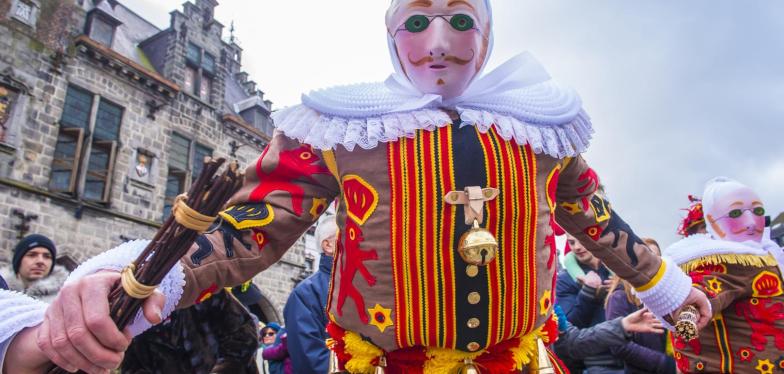
Not only Germany does crazy things: Carneval is also an important event in Belgium. Every year, as winter fades and spring approaches, Belgium comes alive with the vibrant colors, lively music, and rich traditions of Carnival. While many countries celebrate Carnival, Belgium’s version—especially the famous Carnival of Binche—stands out for its deep-rooted history, unique customs, and UNESCO-recognized cultural significance.
Carnival 2026: 15 – 17 February
If you’ve ever wondered what makes Belgian Carnival so special, read on to discover its origins, iconic traditions, and why it’s a must-see experience.
Carnival in Belgium is more than just a festival; it’s a living piece of history. The most renowned celebration takes place in Binche, a small town in the Wallonia region. The Carnival of Binche dates back to the 16th century, with influences from medieval and Renaissance traditions. Unlike other Carnival celebrations that focus on satire or wild parties, Binche’s Carnival is deeply tied to local folklore, ritual, and community spirit.
In 2003, the Carnival of Binche was recognized by UNESCO as a Masterpiece of the Oral and Intangible Heritage of Humanity.
The most iconic figures of the Binche Carnival are the Gilles. These men, dressed in elaborate costumes, are the soul of the festival. Know that they exist in many places in the Flanders region.
- Costumes: The Gilles wear colorful, wax-masked faces, wooden clogs, and suits adorned with bells. Their outfits are a riot of colors, often featuring red, yellow, and black.
- Oranges: One of the most beloved traditions is the throwing of oranges by the Gilles to the crowd. This act symbolizes good luck and prosperity and is a highlight for visitors.
- Dances: The Gilles perform traditional dances to the rhythm of brass bands, creating an unforgettable spectacle.
If you’re planning to visit the Carnival of Binche, here’s what you can look forward to:
Sunday: The Arrival of the Gilles
The festival kicks off with the Gilles parading through the streets, accompanied by drummers and brass bands. The atmosphere is electric, with locals and visitors alike joining in the celebrations.
Monday: The Grand Parade
On Monday, the Gilles don their full traditional costumes and perform their famous dances. The streets are filled with music, laughter, and the sound of clogs hitting the cobblestones.
Tuesday: The Final Celebration
The Carnival reaches its peak on Shrove Tuesday, with the Gilles throwing oranges to the crowd. This day is all about joy, community, and sharing, as families and friends come together to celebrate.
While Carnival is celebrated in many parts of the world, Belgium’s version is unique for several reasons:
- Tradition Over Satire: Unlike Germany’s Carnival, which often features satirical floats and political humor, Binche’s Carnival is rooted in tradition and ritual.
- UNESCO Recognition: The Carnival of Binche is one of the few Carnival celebrations in the world to be recognized by UNESCO, highlighting its cultural importance.
https://www.belganewsagency.eu/aalst-carnival-draws-over-200000-festive-revellers
 Belgian-Macedonian Business Club
Leave a comment