
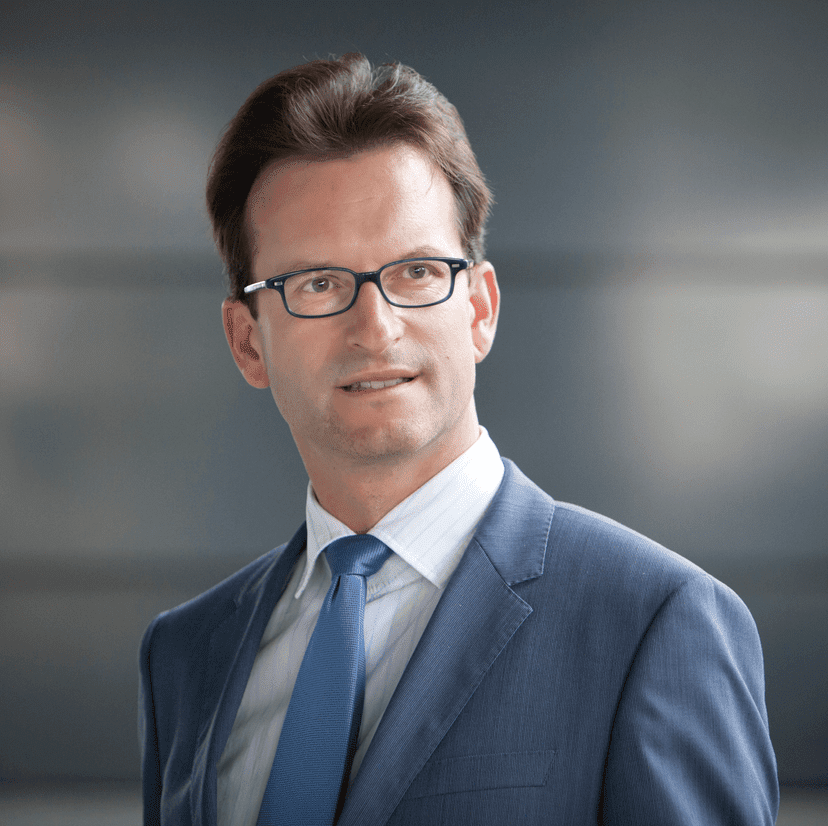
Carlo Thelen, Economist and Director General of the Luxembourg Chamber of Commerce, shares his views on the economic situation.
Responding to Instability with Agility and Innovation
Since 2020, the world has been marked by a series of interconnected crises, or “polycrises,” including health, geopolitical, supply chain, energy, inflationary, and housing crises. These events reflect not just temporary disruptions but persistent, overlapping instabilities across multiple fronts.
- Geopolitical Challenges: The ongoing war in Ukraine exemplifies enduring geopolitical shifts. Alongside this, tensions in the Middle East, South China Sea, and migration flows further destabilize global dynamics. Emerging alliances and shifting power balances are shaping a new geopolitical landscape.
- Demographic Changes: Aging populations in Europe and China contrast with Africa’s rapid demographic growth, which will necessitate rethinking production models, migration policies, and international trade to address potential future instabilities.
- Environmental Pressures: Climate change continues to exacerbate humanitarian crises and resource scarcity. Efforts to mitigate these impacts are uneven globally, with Europe struggling to maintain affordable energy access. The return of leaders resistant to climate agreements adds to this uncertainty.
- Economic and Financial Disruptions: Global trade and economic growth have slowed since 2022, with Europe facing competitiveness challenges due to innovation deficits and energy policy missteps. Financial markets and growth prospects reveal stark regional disparities, further complicating recovery.
Policy Responses: To navigate these complexities, nations must focus on innovation, simplify bureaucratic processes, and ensure sustainable growth. Emphasizing AI, reducing administrative burdens, and attracting skilled labor are key strategies. Luxembourg, for instance, seeks to leverage its political stability and agility to maintain its economic attractiveness.
Building Resilience: Transformation and adaptability are crucial. Supporting businesses, reforming social systems, and maintaining investor confidence are essential for long-term sustainability. As crises evolve, governments and enterprises must turn challenges into opportunities, driving trust and fostering future growth.
In an era of persistent instability, agility and innovation stand as the cornerstones for economic and social resilience.
Read the full article (in French) here: https://www.carlothelenblog.lu/2024/12/23/repondre-a-linstabilite-par-lagilite-et-linnovation/
Leave a Reply