
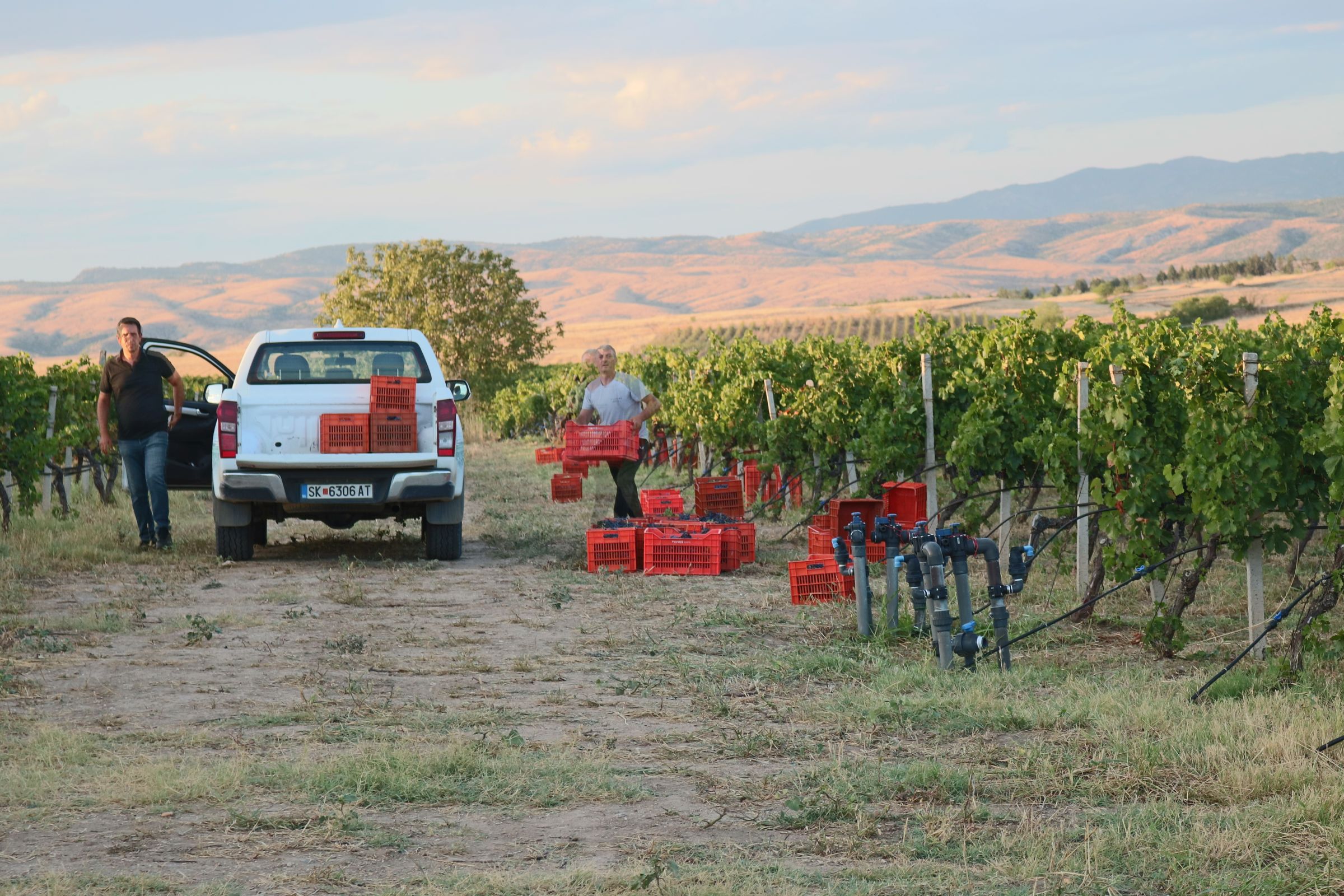
The world is drinking less wine. According to the International Organisation of Vine and Wine (OIV), global wine consumption in 2025 reached its lowest level in nearly 70 years, driven by economic pressures, changing consumer preferences, and climate-related challenges. This decline is not just a blip—it is a structural shift, with mature markets like France, Italy, and Germany seeing double-digit drops in per capita consumption over the past decade. For North Macedonia, a country where wine is both a cultural heritage and a key economic driver, this trend poses significant risks—but also unexpected opportunities.
The Perfect Storm: Why Wine Consumption Is Falling
While the value of global trade remains at significantly higher levels than pre-COVID, both volume and value decreased in 2025 due to tariff policies and economic factors.
1. Economic Pressures and Inflation
Rising living costs have led consumers to prioritize essentials over discretionary spending. Wine, once a staple in European households, is now often seen as a luxury. In France, for example, domestic wine consumption has dropped by 12 % since 2020, as consumers opt for cheaper alternatives like beer, spirits, or non-alcoholic beverages.
2. Health and Lifestyle Trends
The “sober curious” movement and growing health consciousness are reshaping drinking habits. Younger generations, in particular, are reducing alcohol intake, with non-alcoholic and low-alcohol options gaining traction. Sales of non-alcoholic wines doubled between 2024 and 2026, and this trend is expected to accelerate.
In France, the government is paying winemakers €4 000 € per hectare to uproot vines as part of a 130 million € plan to reduce oversupply and adapt to climate realities. Over 28 000 hectares of vineyards are set to be removed by the end of 2026, marking one of the largest structural adjustments in modern European viticulture.
North Macedonia at a Crossroads
North Macedonia’s wine sector is uniquely positioned to weather this storm—but only if it adapts. The country is home to indigenous grape varieties like Vranac, which are gaining international recognition for their bold flavors, high tannins, and adaptability to warmer climates. Traditionally grown in the Balkans, Vranac is now being tested in more northern European regions as climate change pushes viticulture boundaries. Its drought resistance and deep color make it a compelling alternative to traditional French and Italian grapes, which are struggling with rising temperatures.
However, North Macedonia cannot rely on tradition alone. With global demand shifting, the country must diversify its offerings to stay competitive.
Strategic Recommendations for North Macedonia’s Wine Sector
1. Embrace Alternative Wine Products
The decline in traditional wine consumption does not mean the end of the wine industry—it means reimagining what wine can be. North Macedonia should explore:
- Non-Alcoholic and Low-Alcohol Wines: The market for dealcoholized wines is booming, with brands like Divin Vigneron (France) and Von Buhl Zero Secco (Germany) leading the way. North Macedonian wineries could leverage their high-quality grapes to produce premium non- or low-alcoholic versions of Vranac or other local varieties.
- Secco and Sparkling Wines: Italian-style secco (dry sparkling wine) is gaining popularity as a lighter, more approachable alternative to traditional wine. North Macedonia’s affordable production costs and favorable climate make it an ideal location for secco production.
- Wine-Based Innovations: Products like WICE (Wine Ice Cream)—which retains 50 % wine content while offering a novel consumer experience—are redefining how wine is consumed. North Macedonia could partner with innovators to develop similar products using local grapes, creating new revenue streams.
2. Climate-Resilient Viticulture
With traditional wine regions in Europe struggling with heat and drought, North Macedonia’s higher-altitude vineyards and indigenous grapes offer a competitive edge. The country should:
- Expand Vranac Cultivation: Given its adaptability to warmer climates, Vranac could become a flagship variety for climate-resilient winemaking. Research into cross-breeding Vranac with northern European grapes could yield new, hardier varieties.
- Invest in Sustainable Practices: Drip irrigation, organic farming, and water-efficient techniques can help mitigate climate risks while appealing to eco-conscious consumers.
3. Strengthen Branding and Storytelling
North Macedonia’s wine sector must tell its story better. Consumers today want authenticity, sustainability, and a connection to the product’s origins. The country should:
- Promote Its Unique Terroir: Highlight the ancient winemaking traditions, volcanic soils, and high-altitude vineyards that give North Macedonian wines their distinct character.
- Introduce geographical indications to create strong and recognizable domestic brands. The project has been started with GIZ support. 100 years after France, it needs finalization.
4. Promoting quality over mass production
The Macedonian government has a strong influence on the price of grapes, and a large number of winegrowers just sell the grapes to large winemakers. This results in a unified price instead of staggered prices related to quality, origin and – in the end – marketability. Only a healthy competition by quality and higher prices to those who deliver it will free the country from large amounts of “mixed grapes of all qualities” which then are marketed in bulk at rock-bottom prices, competing with North Africa and other low-cost regions.

Conclusion: Turning Challenges into Opportunities
The decline in global wine consumption is not the end of the road for North Macedonia—it is a call to action. By embracing innovation, diversifying products, and leveraging its unique strengths, the country can not only survive but thrive in this new era.
The BMBC stands ready to support North Macedonian wineries in exploring new markets, adopting sustainable practices, and developing alternative products. The future of wine may look different, but with the right strategies, North Macedonia can be at the forefront of this transformation.
For more information on how the BMBC can assist your business in adapting to these changes, please contact us.
Sources:
Leave a Reply