
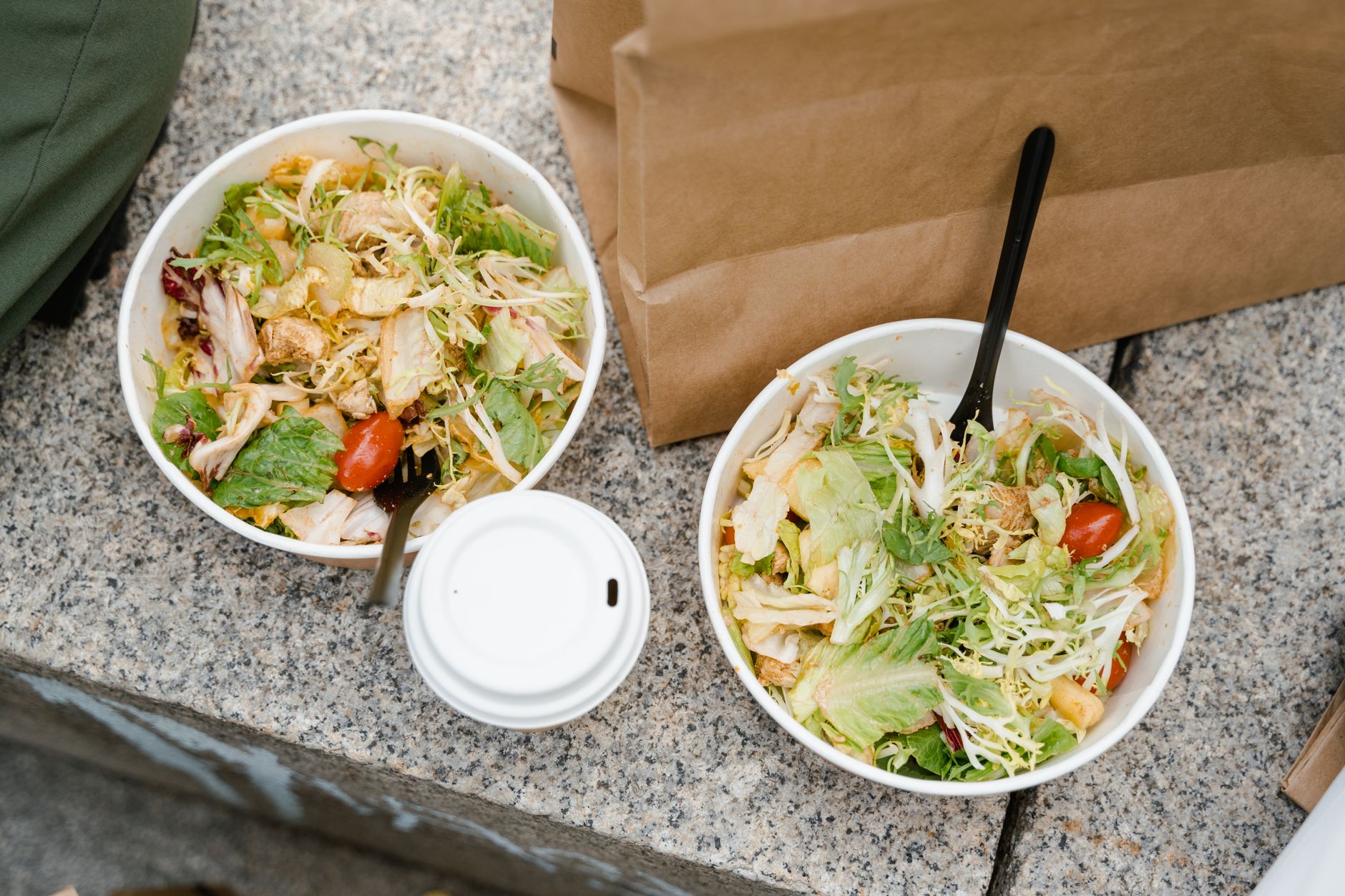
From Tradition to Innovation: The Rise of Healthy, Convenient, and Sustainable Food in Brussels
Brussels’ culinary landscape is undergoing a transformation. While long-standing restaurants face closures due to declining tourism, economic shifts, and mobility policies, a new wave of food concepts is emerging. These include street-food counters, laptop-friendly cafés, and brands that prioritize health, sustainability, and convenience.
The Driving Forces
The city’s economic reliance on office jobs, with half of its white-collar workforce commuting from elsewhere, fuels a steady demand for out-of-home dining. Sustainability is another key trend, as consumers increasingly seek healthier, environmentally responsible options. A recent study by ProVeg and Bel highlights a rise in meat reduction among Belgians, driven by environmental and health concerns.
The Shift to Convenience
Consumers are moving away from traditional cooking, opting instead for meal-box services, takeaways, and ready-made meals. Brands like Le Pain Quotidien, Foodmaker, Bon, and Exki have capitalized on this shift, offering food that is both convenient and aligned with modern values of health and sustainability.
- Le Pain Quotidien: A pioneer in creating a “home away from home” experience, it emphasizes communal dining, healthy menus, and global expansion through franchising.
- Foodmaker: Combines vertical integration with a focus on fresh, locally sourced meals, aiming to become Europe’s leading healthy convenience-food company.
- Bon: Focuses on handmade, locally sourced meals, with a pragmatic expansion strategy centered on urban convenience.
- Exki: Known for its vegetarian and vegan options, it has reinvented itself post-pandemic with a renewed focus on customer experience and accessibility.
A Belgian Success Story
These brands share a common thread: they were conceived, tested, and refined in Belgium before expanding internationally. Belgium’s compact market, innovative consumers, and strong retail partnerships create an ideal environment for food entrepreneurship. Together, they showcase how Belgium’s culinary influence extends beyond its traditional specialties, shaping the future of dining.
Read the full article at The Brussels Times
Leave a Reply