
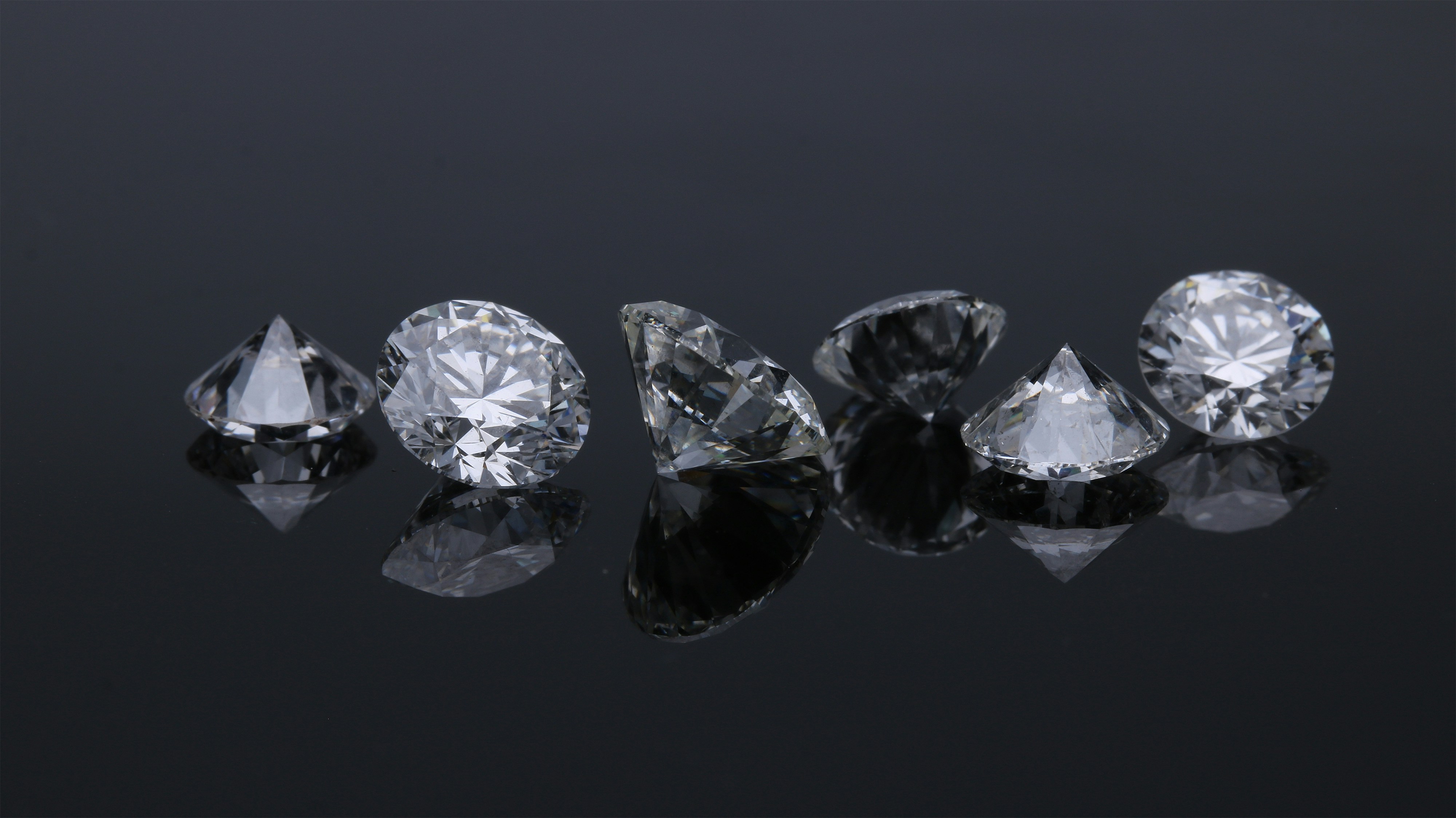
Near Antwerp’s Central Station, just three streets – the Rijfstraat, Hoveniersstraat, and Schupstraat – house one of the world’s most fascinating and tightly secured trading hubs. No fewer than 1,470 companies and over 3,300 workers are packed into this small district, representing more than 70 nationalities.
The sector has deep Jewish roots, but since the 1960s, Indian companies have grown to dominate the trade, making Antwerp a truly global crossroads in miniature.
The journey a diamond takes through this district is intricate. Rough stones from mines in Africa, Canada, and Brazil are flown into Brussels, transported securely to Antwerp, cleaned, sorted, auctioned, and then sent to cutting factories – either locally or in places like India – before eventually reaching jewellers worldwide.
Security is omnipresent. Cameras, barriers, police officers, metal detectors, and facial recognition gates are all part of daily life in the district. At Bonas, the world’s largest diamond auction house, every stone is weighed each time it changes hands to ensure nothing goes missing.
The industry is also quietly evolving. Women are increasingly present in roles once dominated by men – as planners using software to minimize cutting waste, as cutters learning a precise craft, and in management. One cutter noted that people often assume she works “for a Jew or an Indian” – her response: “I work for Belgians.”
Meanwhile, the sector faces a pressing challenge: synthetic diamonds have surged in popularity and now represent one of the biggest threats to the natural diamond trade, prompting awareness campaigns to help consumers understand the difference.
Read the full story at VRT News.
Leave a Reply